Operating
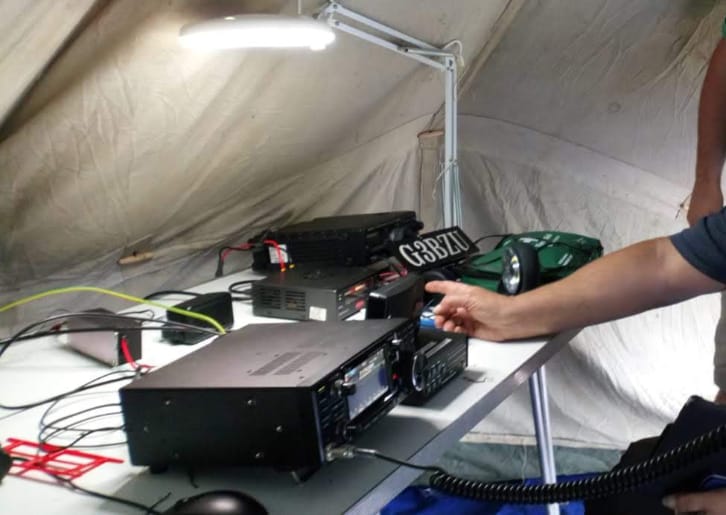
RNARS members, and other amateurs around the world both independently and at our HQ shack will often operate "on the air". For those of you who have recently found our website and are wondering what amateurs are doing you might have conjured up an image of someone hunched over a radio set talking what seems like a funny terminology. Or maybe you associate it as being some kind of broadcast radio or tv show. Well it certainly isn't broadcasting; amateurs are strictly prohibited in most instances to broadcast. This means communication must always (with a few specific exceptions) be between two or more parties. That communication can be voice, morse code, or various forms of data.
Everyone involved has got their own preference as to why they are interested in radio. Some simply do wish to speak with friends regularly and chat, some other reasons are:
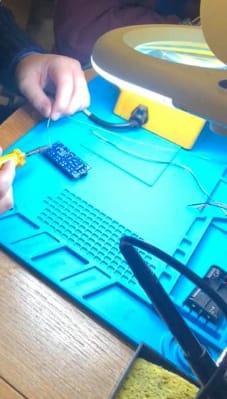
- They wish to understand and experiment with electronics improving their technical skills
- Personal professional development - learn more about the Electro Magnetic Spectrum and how radio stuff works "under the hood"
- A desire for a particular challenge - communicating around the world on very low power for example.
- Want to experiment and learn about data modes and sending text, files or pictures over HF
- Keen to assist in times of Emergency where normal internet and infrastructure may be unavailable or out of action
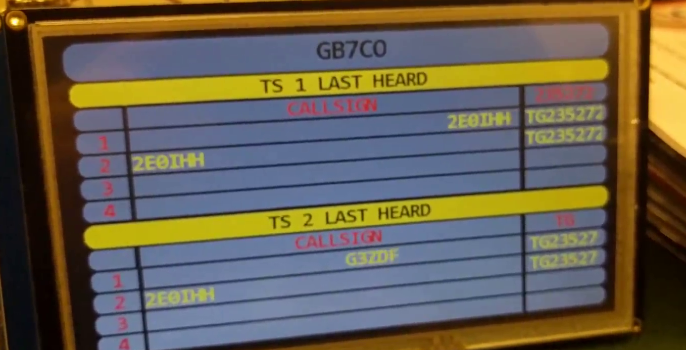
Operating takes place on a number of authorised band throughout the Spectrum, each of these has different characteristics and then governed by a band plan stating what kind of emission (as it is known) is permitted. Some bands are so small that they aren't even wide enough to support the bandwidth required for voice and therefore therefore can only be used with narrow bandwidth modes such as morse code and specific data modes.
For those serving or have know people across the services you'll know that there is a specific language used, in the Naval Services commonly known as JackSpeak. The same is somewhat true for Communications as abbreviations and operating signals (or Opsigs) came about as radio communications developed right from the early days of radio. If you're in communications, seamanship, information, or even aeronautical trades you may well be already familiar with some of them. Q codes, Long Break, Callsigns, CQ, (you might know this as AA in visual medium). The french word "de" meaning From, is used a lot in amateur radio.
For those who have got involved, whilst operating amateur radio remains firmly for non-commercial use it has led to people having very successful careers in numerous radio engineering and technical trades. Think about how much we all depend on radio today for mobiles, WiFi, internet and communicating with each other.